

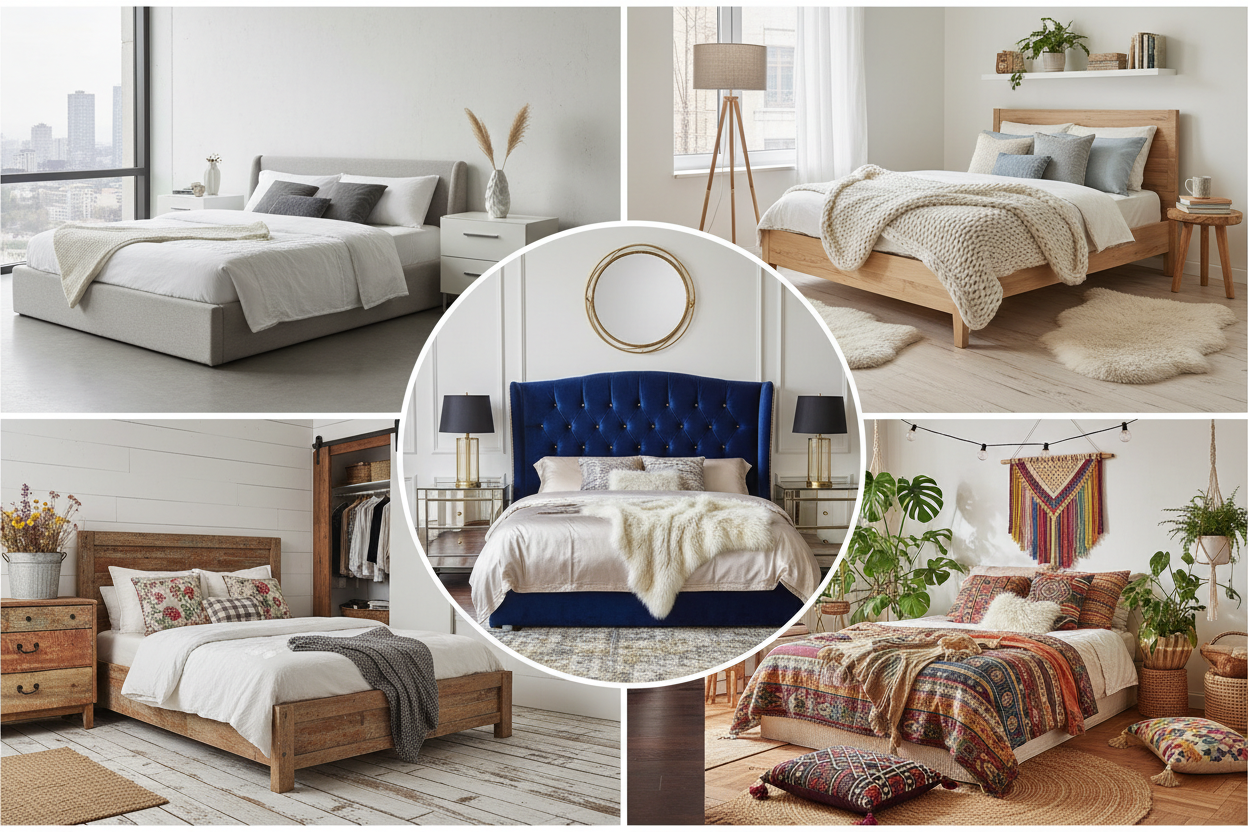
Your master bedroom should be more than just a room; it should be a reflection of your lifestyle, preferences, and needs. Choosing the perfect master bedroom design means considering how you use the space daily, what atmosphere you want to create, and how to optimize comfort and functionality. This comprehensive guide will help you explore different design styles, layouts, and practical tips to tailor your master bedroom to your unique lifestyle.

Understanding Your Lifestyle Needs
Before diving into colors, furniture, or décor, it’s essential to understand how your lifestyle influences bedroom design:
- Sleeping Habits: Are you an early riser or night owl? Do you prefer a dark, quiet space or gentle lighting to wake up?
- Space Usage: Do you use your bedroom only for sleeping, or also for working, reading, or relaxing?
- Storage Needs: How much storage do you require? Do you have a large wardrobe or prefer minimal clothing?
- Personal Style: Do you lean towards modern, traditional, rustic, or eclectic décor?
Popular Master Bedroom Design Styles to Match Your Personality
Matching your bedroom style with your personality helps create a space you love:
Modern Master Bedroom Designs
Characterized by clean lines, neutral colors, and minimalistic décor, modern designs suit those who prefer simplicity and elegance. Incorporate smart furniture and neutral palettes for a clutter-free environment.
Traditional Bedroom Designs
Rich wood tones, classic furniture, and warm color schemes define traditional styles. Ideal for people who appreciate timeless elegance and cozy comfort.
Bohemian and Eclectic Styles
For free spirits who love color, patterns, and diverse textures, bohemian designs mix cultural elements with relaxed, creative décor.
Rustic and Farmhouse Designs
Natural materials, exposed wood, and earthy tones create a warm, inviting atmosphere, perfect for those who enjoy a connection to nature.
Optimizing Master Bedroom Layout for Functionality
Layout plays a critical role in both aesthetics and practicality. Consider these tips:
Assess Room Dimensions
Measure your room carefully to understand what furniture fits comfortably. Oversized furniture in a small room can make it feel cramped, while too little furniture in a large room may feel empty.
Plan the Bed Placement
The bed is the focal point. Place it on the largest wall, preferably facing the door but not directly in line with it, to create a welcoming feeling.
Create Distinct Zones
If space permits, create different zones such as a sitting area, dressing corner, or workspace. This increases the room’s versatility.
Allow for Movement
Ensure there is enough clearance around furniture for comfortable movement—ideally at least 2 feet around the bed.

Choosing the Right Color Palette
Colors influence mood and perception of space:
- Light Colors: Whites, pastels, and soft neutrals open up small spaces and create a calm atmosphere.
- Bold Colors: Deep blues, greens, and even black add drama and luxury when balanced with lighter tones.
- Warm Tones: Beige, soft browns, and muted reds create coziness and warmth.
Selecting Furniture That Fits Your Lifestyle
Your furniture choices should balance style, comfort, and function.
Bed Frame and Mattress
Choose a bed frame that complements your design style—platform beds for modern looks, ornate frames for traditional. Invest in a quality mattress that supports restful sleep.
Storage Solutions
Consider your storage needs carefully. Built-in wardrobes, dressers, and under-bed storage can help keep your bedroom organized.
Seating Options
If you enjoy reading or relaxing, add a comfortable chair or small sofa. Ottomans with storage can serve double duty.
Lighting Choices to Enhance Your Bedroom Mood
Good lighting combines function and atmosphere:
- Ambient Lighting: Ceiling lights or chandeliers provide general illumination.
- Task Lighting: Bedside lamps or adjustable sconces are great for reading.
- Accent Lighting: LED strips or spotlights highlight artwork or architectural features.
Incorporating Personal Touches
Adding décor and accessories that reflect your interests makes the space uniquely yours:
- Artwork or photographs
- Decorative pillows and throws
- Plants for freshness and color
- Books and collectibles
Smart Technology in the Master Bedroom
Integrate smart devices for convenience and comfort:
- Smart thermostats for ideal temperature control
- Automated blinds or curtains
- Voice-controlled lighting and sound systems
Master Bedroom Design Tips for Couples
If you share your bedroom, consider:
- Dual bedside tables and lamps for individual control
- Neutral or balanced décor to suit both tastes
- Extra storage for two people’s belongings
Conclusion: Designing a Master Bedroom That Truly Fits You
Choosing the perfect master bedroom design is a blend of self-awareness, practical planning, and creativity. By evaluating your lifestyle, understanding your design preferences, and applying smart layout and furniture choices, you can create a master bedroom that serves as a restful, stylish, and personalized retreat.
Remember, your bedroom is your sanctuary—make it a place where you feel at peace, inspired, and rejuvenated every day.
Related High Traffic Keywords to Incorporate
- master bedroom designs
- bedroom design styles
- master bedroom layout ideas
- functional master bedroom
- modern master bedroom ideas
- bedroom color palettes
- smart bedroom technology


